
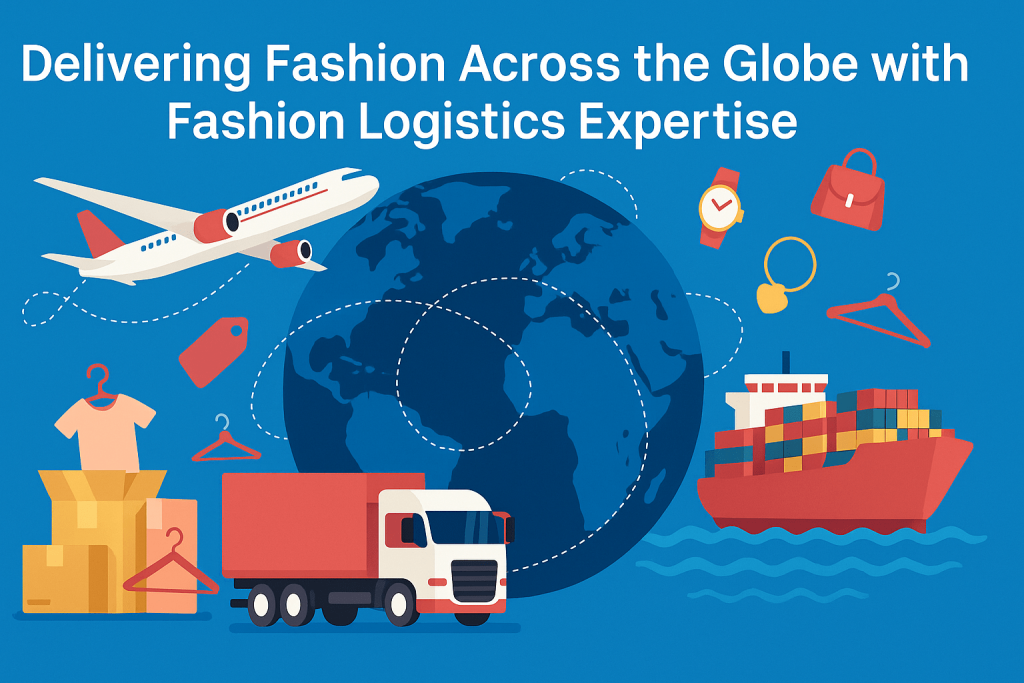
The fashion industry is one of the most dynamic and fast-paced sectors in the global economy. Trends change in the blink of an eye, and consumer expectations are higher than ever. From haute couture in Paris to fast fashion in New York and online shopping sprees in Mumbai, the demand for stylish clothing and accessories transcends borders. Behind the glamour of runways and retail stores lies an essential backbone: fashion logistics.
Fashion logistics is the art and science of ensuring that garments, footwear, and accessories are designed, manufactured, shipped, and delivered efficiently across the globe. With millions of products moving daily, expertise in fashion logistics has become a competitive advantage for brands seeking to meet the ever-growing demands of global fashion consumers.
The Unique Challenges of Fashion Logistics
Unlike other industries, fashion has its own set of logistical challenges:
- Seasonality and Fast Turnaround
Fashion operates on seasons: Spring/Summer, Fall/Winter, and special capsule collections. Missing a delivery window can mean lost sales, excess inventory, and wasted investment. - Global Sourcing
Raw materials may come from one country (like cotton from India), manufacturing may take place in another (like Vietnam or Bangladesh), and products may be sold in yet another (like the U.S. or Europe). This creates complex supply chains that require precision. - High Consumer Expectations
E-commerce has reshaped fashion. Customers expect same-day or next-day delivery, easy returns, and real-time tracking — all of which put pressure on logistics providers. - Sustainability Concerns
The fashion industry is under growing scrutiny for its environmental impact. Brands are now expected to reduce carbon emissions, use eco-friendly packaging, and optimize routes to minimize waste.
Why Expertise MattersDelivering fashion globally requires much more than moving boxes from Point A to Point B. It demands specialized fashion logistics expertise, which includes:
- Understanding textile and apparel requirements (handling delicate fabrics, avoiding moisture damage).
- Flexible warehousing to deal with sudden demand surges during seasonal launches or promotional events.
- Efficient customs clearance to ensure products move smoothly across borders without delays.
- Reverse logistics management to handle returns, which are particularly high in the fashion e-commerce space.
When logistics experts with deep knowledge of the fashion industry step in, they ensure products move seamlessly while preserving brand reputation and consumer trust.
Key Components of Global Fashion Logistics
1. Sourcing & Production Logistics
Raw materials must be transported from farms or suppliers to manufacturing hubs. For example, high-quality Italian leather might be shipped to India for shoe production. Logistics expertise ensures raw materials arrive on time, in good condition, and cost-effectively.
2. International Shipping
Finished garments must be shipped from factories to distribution centers or retail stores. Depending on urgency, brands may opt for air freight (fast but costly) or ocean freight (economical but slower). Experts help strike the right balance between speed and cost.
3. Warehousing & Distribution
Fashion warehousing requires adaptability — storage for millions of SKUs in different sizes, colors, and styles. Advanced warehouse management systems (WMS) with real-time inventory tracking are critical for accuracy and efficiency.
4. Last-Mile Delivery
The final leg of delivery is often the most challenging. For fashion e-commerce, this means delivering a dress or pair of sneakers directly to a customer’s doorstep, often within hours. A well-optimized last-mile strategy ensures customer satisfaction.
5. Reverse Logistics
Returns are part and parcel of fashion retail. Whether due to sizing issues or style changes, fashion returns can be as high as 30%. Handling returns efficiently while minimizing losses requires expertise in reverse logistics.
Technology in Fashion Logistics
Modern fashion logistics is powered by technology:
- AI and Machine Learning predict demand trends, helping brands optimize inventory.
- Blockchain improves supply chain transparency and authenticity verification (e.g., for luxury fashion items).
- IoT-enabled tracking ensures visibility of shipments in real time.
- Automation in warehouses speeds up sorting, picking, and packaging of fashion items.
Technology not only improves efficiency but also helps brands stay agile in an unpredictable industry.
Case Study: Fast Fashion vs Luxury Fashion
- Fast Fashion (e.g., Zara, H&M)
These brands thrive on quick turnaround. Their logistics networks are designed for speed, with rapid design-to-store cycles. Logistics expertise helps them deliver new collections weekly to stores worldwide. - Luxury Fashion (e.g., Gucci, Louis Vuitton)
Luxury brands focus on quality and exclusivity. Logistics must ensure delicate handling, secure shipping, and often personalized delivery experiences. For them, logistics is part of the luxury customer experience.
Both segments highlight how different logistics strategies are needed depending on the brand’s positioning.
Sustainability in Fashion Logistics
Today’s fashion brands cannot ignore sustainability. Consumers are increasingly eco-conscious, and governments are introducing stricter regulations. Logistics plays a major role in this transition:
- Using eco-friendly packaging (biodegradable or recyclable materials).
- Optimizing shipping routes to reduce carbon emissions.
- Encouraging sea freight over air freight where possible.
- Partnering with green logistics providers who invest in electric vehicles and renewable energy.
Fashion logistics experts help brands meet sustainability targets while maintaining efficiency.
The Future of Fashion Logistics
As the fashion industry evolves, so too will its logistics. Key trends to watch include:
- On-Demand Production & Distribution
3D printing and digital design may reduce the need for massive inventories. Products can be made closer to the point of sale, requiring agile logistics networks. - Personalized Deliveries
Expect more flexible delivery options, such as same-day service, in-store pickup, or delivery to lockers and smart hubs. - Circular Fashion Logistics
As sustainability grows, logistics will focus on recycling and reusing textiles, creating a circular supply chain. - Greater Use of Automation
From drones to automated delivery vans, fashion logistics will embrace innovation to cut costs and improve speed.
Conclusion
The success of the global fashion industry doesn’t just depend on creativity and trends — it hinges on logistics. Delivering fashion across the globe with expertise means mastering everything from sourcing and shipping to last-mile delivery and returns.
With specialized knowledge, advanced technology, and sustainable practices, fashion logistics experts ensure that a designer’s creation in Milan can reach a customer in New York or Mumbai in record time. In a world where speed, quality, and sustainability matter more than ever, fashion logistics is the invisible thread stitching the global fashion industry together.